Visions of the Filipino Past
Philippine history reimagined through art and AI.
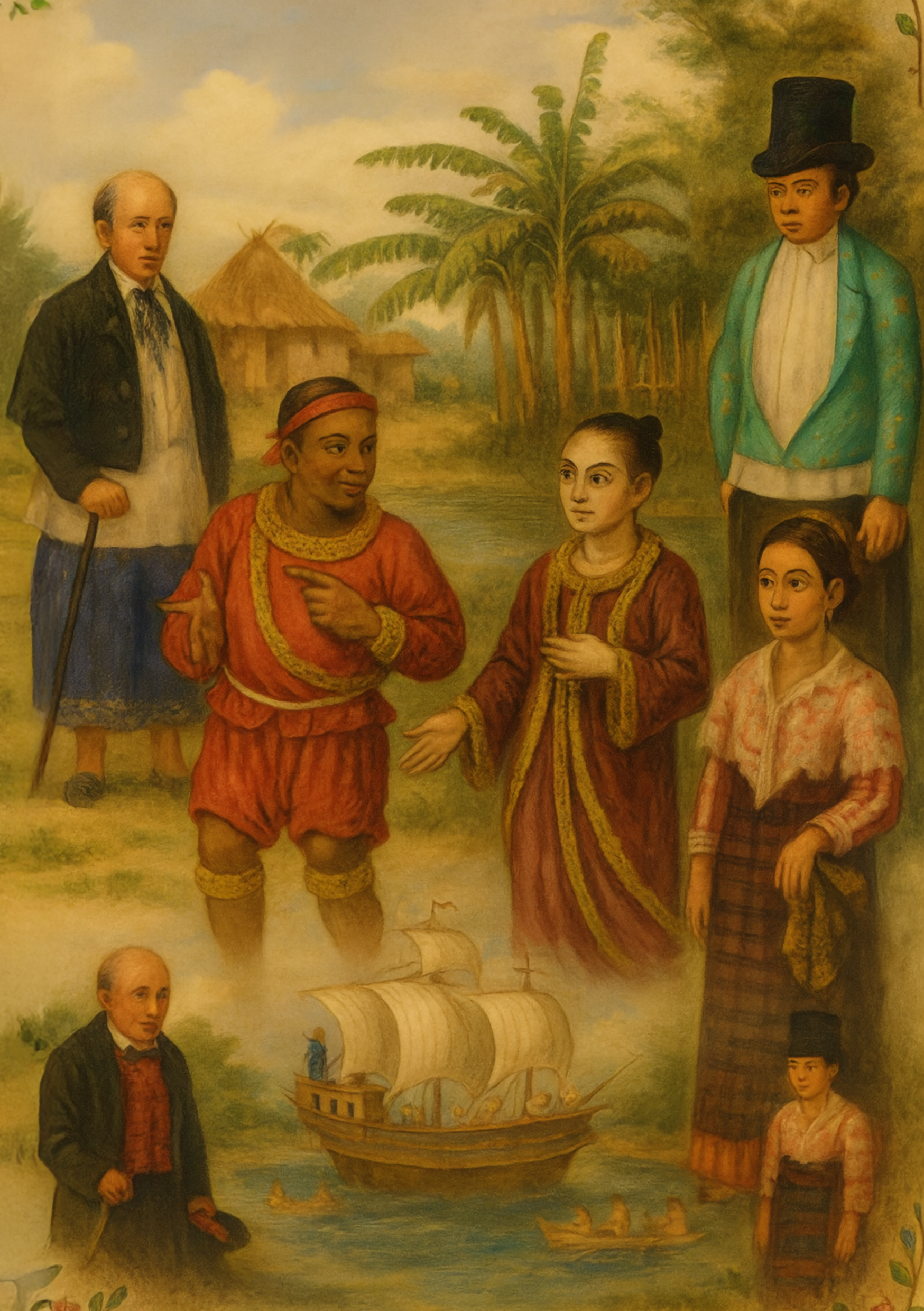
Philippine visual history from the colonial period is beautiful and largely forgotten. The paintings and illustrations that survived from the 16th through the 19th centuries tell a story about who we were, how we dressed, what our rituals and daily lives looked like. But they exist mostly in archives and academic collections, rarely encountered outside of specialized texts.
This book brings those works into conversation with the present. Each original piece is paired with a modern AI reinterpretation side by side, not to replace or improve on the original, but to show it differently. The old work stays on the left. The new one sits on the right. You read them together.
The artists featured are four of the most significant figures in Philippine visual history:
The Boxer Codex is a 16th-century Spanish colonial manuscript, one of the earliest known depictions of pre-Hispanic Filipinos. Its illustrations document clothing, social rank, and ritual in remarkable detail for a document of its age.
Damian Domingo is considered the father of Philippine painting. His watercolor portraits of Filipino social types, painted in the early 19th century, are among the first works by a Filipino-born artist to gain wide recognition.
Fabian de la Rosa painted scenes of everyday Filipino life in the late 19th and early 20th centuries. His work is intimate and unhurried, focused on the ordinary moments that larger historical paintings tend to overlook.
Jose Honorato Lozano was a 19th-century lithographer whose illustrated letters combined calligraphy and narrative scenes into a single object. His letras y figuras series is unlike almost anything else in Philippine art history.
Each of their works was used as a source for AI reinterpretation. The goal was not stylistic imitation but a genuine conversation between periods, a way of asking what these images might look like if they were being made now.
Get the book, it's free
Enter your email and we'll send the download link straight to your inbox.